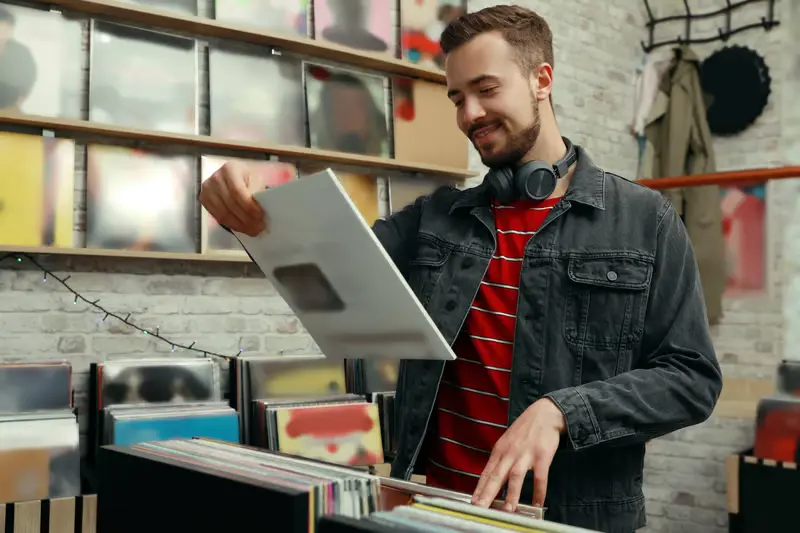
Starting a record collection can be exciting, but buying albums without a clear plan often leads to wasted money, damaged records, and shelves full of releases you rarely play. A valuable collection is not simply a large one. It is a carefully chosen group of records that offers listening enjoyment, lasting personal meaning, and, in some cases, financial potential.
This starting record collecting guide explains how to choose your first records, understand pressing differences, assess condition, set a realistic budget, and identify albums that deserve a place in your collection. You will also learn how to store and maintain records so they retain their sound quality and condition. Whether you prefer classic rock, jazz, soul, electronic music, or modern releases, a thoughtful approach will help you build a collection with purpose.
Understand What Makes a Record Collection Valuable
Before purchasing your first album, decide what value means to you. Some collectors focus on rare pressings and market demand. Others want a personal library of influential albums they enjoy playing regularly. The strongest collections often combine both goals.
Personal Value Versus Financial Value
Personal value comes from your connection with the music. An album might remind you of a particular period, introduce you to a new artist, or represent a genre you want to explore. These records can be meaningful even if they are widely available and inexpensive.
Financial value depends on factors such as rarity, demand, condition, pressing history, and cultural importance. An original pressing of a sought-after album may command a higher price than a later reissue. However, popularity does not automatically make every older record valuable.
A practical starting record collecting guide should distinguish between buying records you love and buying records because you expect their prices to increase. The first approach gives you something worthwhile even when market values change. The second carries financial uncertainty.
Rarity Does Not Always Mean Quality
A limited pressing can be difficult to find, but scarcity alone does not guarantee strong demand. A record may have a small production run because few people wanted it in the first place.
Collectors generally look at three connected factors: availability, desirability, and condition. A rare album by an artist with a dedicated following may attract serious interest. A rare album with little demand may remain difficult to sell.
Start by researching records that have an established audience. Look at historical sales, not only the asking prices displayed by online sellers. An expensive listing does not prove that buyers are willing to pay that amount.
Choose a Clear Direction for Your Collection
One of the easiest mistakes beginners make is buying anything that looks interesting. A few impulse purchases are harmless, but an unfocused approach can quickly consume your budget.
Select Genres and Artists You Enjoy
Begin with two or three musical interests. You might choose classic rock, jazz, and soul, or focus on one artist’s albums and collaborations. A defined direction makes shopping easier because you know what to look for.
You do not need to restrict yourself permanently. Your interests will probably change as you discover new artists and recording styles. The purpose of choosing a direction is to create a useful starting point rather than an inflexible rule.
For example, someone interested in jazz might begin with influential albums by Miles Davis, John Coltrane, and Thelonious Monk. This creates a foundation for exploring different periods, labels, musicians, and recording approaches.
Build Around Albums Rather Than Famous Covers
An iconic sleeve can attract attention, but the music should remain the main reason for buying. Listen to an album before purchasing whenever possible. Streaming services are useful for exploring an artist’s catalogue and deciding which releases deserve a physical copy.
A starting record collecting guide should encourage deliberate purchases. Instead of buying ten albums because they are popular, choose three that you genuinely want to hear from beginning to end.
You can also create a shortlist of essential albums within your preferred genres. Include a mixture of influential releases, personal favourites, and records that introduce you to unfamiliar musicians.
Learn How Pressings Affect Sound and Collectibility
Two copies of the same album can differ in sound, production details, packaging, and market value. Understanding these differences helps you avoid paying premium prices for an ordinary edition.
Original Pressings and Reissues
An original pressing generally refers to a record manufactured during an album’s initial release period. Some original editions become desirable because of their historical importance, limited availability, or particular mastering.
However, an original pressing is not automatically the best-sounding version. Later reissues may use improved production methods, carefully prepared master sources, or quieter vinyl. A well-produced reissue can outperform an older copy that has suffered years of wear.
When comparing editions, examine the release year, record label, catalogue number, country of manufacture, and mastering information. These details help distinguish one version from another.
Understand Matrix Numbers and Runout Etchings
The matrix information, often found in the runout area near the centre label, can help identify a specific pressing. It may contain catalogue-related codes, cutting information, engineer initials, or plant identifiers.
These markings are especially useful when an album has several editions with similar covers and labels. Record databases such as Discogs provide release information that can help you compare identifying details.
Do not assume that one matrix number guarantees superior sound. Research the specific edition and compare reliable collector reports where available. This starting record collecting guide treats pressing identification as a research skill, not a shortcut to judging quality.
Check Labels, Inserts, and Packaging
Original labels, lyric sheets, posters, printed inner sleeves, and other inserts can affect collectibility. Their importance depends on the particular release.
A complete copy may attract more interest than one missing original components. Before buying an expensive edition, check what was included when it was first sold. Compare the seller’s photographs with documented release information.
Learn to Grade Vinyl Condition Before Spending Money
Condition has a direct effect on both listening quality and resale potential. A desirable album in poor condition may be less attractive than a clean, affordable copy of a less scarce edition.
Understand Vinyl Grading Terms
Collectors commonly use the Goldmine grading system, which includes several condition levels:
-
Mint (M): A practically flawless record, generally unused and in exceptional condition.
-
Near Mint (NM): Almost perfect, with very little evidence of handling or wear.
-
Very Good Plus (VG+): Shows minor signs of use but generally plays well.
-
Very Good (VG): Has noticeable wear and may produce surface noise, although it remains playable.
-
Good (G) and Good Plus (G+): Shows significant wear and may have considerable noise or other defects.
-
Poor (P) and Fair (F): Often damaged, heavily worn, or unsuitable for normal listening.
Grading is not perfectly objective. Two sellers may describe the same record differently. For valuable purchases, request clear photographs and a description of actual playback condition.
Inspect the Record Surface
Hold the record under a suitable light and tilt it gently. Look for scratches, scuffs, fingerprints, residue, and signs of warping. Light surface marks do not always affect playback, but deep scratches can cause clicks, skips, or repeated noise.
Also inspect the centre label for writing, stickers, water damage, or other alterations. Check the edges for chips and the surface for mould or residue.
A starting record collecting guide should place playback condition above cosmetic appearance. A visually attractive record can still sound poor, while a lightly marked copy may play cleanly.
Examine the Sleeve and Inner Packaging
Sleeve condition matters because it protects the record and contributes to the overall presentation. Look for seam splits, ring wear, creases, water stains, writing, and damaged corners.
Original printed inner sleeves and inserts can add value when they belong to a collectible edition. However, paper sleeves can also create scuffs over time. Many collectors use clean archival-quality inner sleeves for everyday storage while preserving original inserts separately.
Set a Realistic Budget and Buy Strategically
A collection can become expensive when every interesting release feels like an opportunity you must take immediately. A budget gives you control and helps prevent emotional purchases.
Decide How Much You Can Spend
Set a monthly or quarterly amount for records. Include more than the purchase price. Shipping, taxes, cleaning supplies, protective sleeves, storage furniture, and equipment maintenance all contribute to the actual cost.
You might begin with a modest budget and increase it as your knowledge grows. It is usually better to own a small group of records in good condition than a large collection of damaged or unwanted albums.
Keep some money available for unexpected finds. If you spend everything on the first few purchases, you may miss a genuinely interesting release later.
Compare Prices Before Buying
Check multiple marketplaces, local record shops, specialist dealers, and second-hand stores. Use completed sales and recent transaction data where available to understand realistic prices.
Discogs is particularly useful for identifying editions and reviewing marketplace sales history. Its price information should be treated as a guide rather than a guaranteed valuation. Condition, region, shipping, and market demand can all change what a particular copy is worth.
A useful buying habit is to establish a maximum price before contacting a seller. This reduces the temptation to overpay because an album seems rare or difficult to find.
Avoid Common Beginner Buying Mistakes
Be careful with records described as rare without supporting details. Ask which pressing makes the copy unusual and request photographs of the label and runout area.
Avoid buying expensive records based only on a seller’s general condition description. Also, do not assume that sealed records are always valuable. Sealed copies may contain manufacturing defects, and the exact edition may not be particularly desirable.
Find Reliable Places to Buy Records
Where you shop affects the selection, prices, and condition information available to you. A combination of local and online sources usually provides the best range of options.
Visit Independent Record Stores
Independent shops allow you to inspect records before buying. You can check the sleeves, examine the vinyl, ask about pressing details, and develop relationships with knowledgeable sellers.
Some shops also offer used-record sections where you can find affordable albums. Visit regularly rather than expecting every trip to produce a major discovery. Stock changes, and patience often leads to better purchases.
Explore Online Marketplaces Carefully
Online platforms provide access to international releases and specialist sellers. They are useful when you are searching for a specific pressing that local stores rarely stock.
Before ordering, examine seller ratings, return policies, shipping methods, and photographs. Ask questions when the listing does not clearly identify the edition. International shipping can also increase the final cost and expose records to poor packaging or handling.
This starting record collecting guide recommends treating online descriptions as claims to verify, not proof of condition or authenticity.
Check Local Markets and Second-Hand Shops
Charity shops, estate sales, flea markets, and used-book stores sometimes carry records at lower prices. Their stock can be unpredictable, but these places are useful for discovering overlooked albums.
Inspect every copy carefully. Records stored in damp conditions may have mould, damaged sleeves, or persistent odours. Avoid purchases that show serious water damage or deep scratches unless you understand the risks.
Protect Your Records With Proper Storage and Maintenance
Buying good records is only part of building a high-value collection. Storage and handling determine how well those records survive repeated listening and changing environmental conditions.
Store Records Vertically
Keep records upright, like books on a shelf. Avoid stacking them horizontally for long periods because the weight can create pressure and increase the risk of warping.
Use sturdy shelving that supports the full weight of your collection. Do not pack records so tightly that removing one becomes difficult. Leave enough space to handle each sleeve without bending or damaging it.
Keep your collection away from direct sunlight, radiators, damp walls, and areas with large temperature changes. Stable, moderate conditions are generally better than extreme heat or humidity.
Use Protective Sleeves
Outer polyethylene or polypropylene sleeves help protect album covers from dust, handling marks, and ring wear. Clean anti-static inner sleeves can reduce friction and help limit dust accumulation.
Before inserting a record, make sure it is clean and dry. Avoid forcing a record into a sleeve that is too small. Handle the disc by its edges and label area rather than touching the grooves.
Clean Records Correctly
Use a carbon-fibre brush before playing a record to remove loose dust. For deeper cleaning, use a cleaning solution designed specifically for vinyl and follow its instructions.
Never use household cleaners, abrasive cloths, or random solvents. These can leave residue or damage the record surface. Allow a cleaned record to dry completely before returning it to its sleeve.
A clean stylus is equally important. Dust on the stylus can affect playback and contribute to poor tracking. Follow the cartridge manufacturer’s cleaning recommendations, and replace a worn stylus when necessary.
Document Your Collection and Track Its Value
A record inventory makes it easier to manage purchases, identify duplicates, and understand how your collection develops. It also helps when you need to insure, sell, or reorganize your records.
Record Important Release Details
For each album, save the artist, title, label, catalogue number, pressing country, release year, condition grade, purchase date, and price paid. Add notes about inserts, matrix information, or unusual features when relevant.
You can use a spreadsheet or a collection database. Discogs also allows collectors to catalogue releases and maintain a record of their holdings. Always verify that the edition selected in your database matches the physical copy.
Review Market Prices Periodically
Do not treat a collection’s estimated value as fixed. Prices change as artists become more popular, reissues appear, collector interest shifts, and supply changes.
Review important records occasionally, especially when you own expensive or hard-to-replace editions. Use recent completed sales and compare copies with similar condition and pressing details.
A starting record collecting guide should encourage accurate documentation rather than constant price checking. The main purpose of an inventory is to help you understand what you own and make informed decisions.
Develop Your Collection With Patience
A high-value collection grows through consistent choices, not rushed spending. Once you understand your preferred genres, pressing differences, grading standards, and storage requirements, each purchase becomes easier to evaluate.
Consider setting a goal for every few months. You might complete a favourite artist’s studio albums, explore a particular record label, or find a well-preserved first pressing of an influential release. These goals give your collecting a sense of direction without turning it into a race.
You should also leave room for unexpected discoveries. A used record shop may introduce you to an artist you have never heard before. A modern reissue may offer better sound than an expensive original. Learning to recognize these opportunities is part of becoming an experienced collector.
The most useful starting record collecting guide is one that helps you balance enjoyment, condition, research, and spending. Build slowly, keep records you genuinely want to play, and treat collectible purchases as decisions that require evidence.
Conclusion
Building a high-value record collection begins with a clear purpose. Choose music you enjoy, research specific pressings, learn how to grade condition, and compare prices before purchasing. Protect your records with suitable sleeves, careful cleaning, and stable vertical storage. Keep an accurate inventory and give your collection time to develop.
The goal is not to own the most records or spend the most money. It is to create a collection that remains enjoyable, well-maintained, and meaningful while offering genuine collectible interest.
Frequently Asked Questions
1. How many records should a beginner buy when starting a collection?
There is no required number. Begin with five to ten albums you genuinely enjoy and can afford. This gives you enough records to explore storage, cleaning, and playback without making large purchases before you understand pressing differences and condition grading.
2. Are original vinyl pressings always more valuable than reissues?
No. Original pressings can be desirable because of rarity and historical importance, but value depends on demand, condition, and the specific edition. Some reissues sound better and are more affordable. Research the exact release before paying extra for an original copy.
3. What is the best condition grade when buying collectible records?
Near Mint and Very Good Plus are common targets for collectors who want records in strong condition without always paying the highest prices. However, grading terms can vary between sellers. Request photographs and playback information before buying expensive or rare albums.
4. Where can beginners find affordable vinyl records?
Independent record stores, second-hand shops, flea markets, estate sales, and online marketplaces are useful places to search. Compare prices across several sources and inspect used records carefully. Affordable purchases are worthwhile when the vinyl is clean, playable, and correctly identified.
5. How should I protect valuable records from damage?
Store records vertically in sturdy shelving, away from direct sunlight, heat, and moisture. Use clean inner sleeves and protective outer covers. Handle discs by their edges, remove loose dust before playing, and clean them with products designed specifically for vinyl records.