Record collecting is about more than owning old albums. It is the excitement of finding a record you have wanted for years, discovering an unfamiliar artist, or bringing home a pressing with an interesting history. Every crate, secondhand shop, and flea market offers a chance to find something unexpected.
For beginners and experienced collectors alike, record collecting vinyl hunting combines patience, research, and a good eye for detail. Knowing where to search, how to judge condition, and how to organize your purchases helps you build a collection that remains enjoyable and valuable over time.
Why Vinyl Hunting Still Attracts Collectors
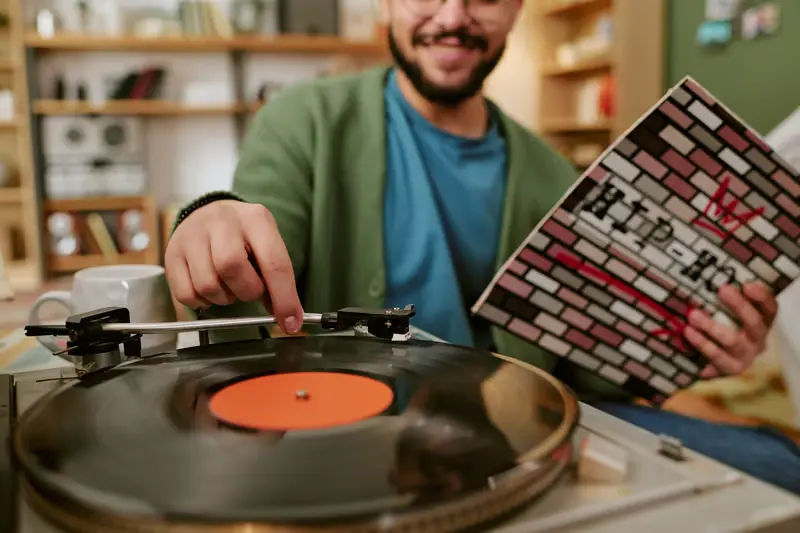
Vinyl records offer a physical connection to music that digital libraries cannot fully reproduce. Collectors enjoy album artwork, printed inserts, label designs, and the experience of placing a record on a turntable. The sound itself is also part of the appeal, especially for listeners who appreciate the character of different pressings.
There is also the excitement of discovery. You might visit a local shop looking for one album and leave with an unexpected jazz record from the 1960s. These finds give collecting a personal character. A record’s value is not always measured by its market price. Sometimes its importance comes from a memory, a musical influence, or the story behind its discovery.
Where to Find Records Worth Collecting
Successful record collecting vinyl hunting starts with knowing where to look. Record stores are a natural starting point because many organize their stock by artist, genre, or release period. Staff may also know about upcoming arrivals and can help identify different editions.
Secondhand shops, charity stores, estate sales, and flea markets can offer less predictable finds. Their records may be poorly organized, so browsing takes longer. However, these places sometimes contain albums that have not been carefully researched or priced according to collector demand.
Online marketplaces and specialist record shops are useful when searching for specific releases. Discogs, for example, provides a large music marketplace and release database. It can help you compare editions and check recent sales information. Local buying still has one advantage: you can inspect the actual record before paying.
Learn to Identify Rare and Valuable Pressings
Not every old record is rare, and not every rare record is expensive. Value depends on several factors, including demand, condition, pressing details, artist popularity, and availability. A common album from a famous musician may be worth less than a limited release by a smaller artist.
Check the Label, Catalog Number, and Matrix
The label and catalog number help distinguish one release from another. Albums can have several editions with different covers, labels, manufacturing details, or country of origin. Even copies that look almost identical may have different market values.
For a closer identification, examine the matrix information etched or stamped into the runout area near the center label. This information can help identify a particular pressing or mastering version. Comparing these details with reliable discography records is especially useful when a seller describes an album as an original pressing.
Understand Rarity and Demand
Limited editions, withdrawn releases, regional pressings, and promotional records can attract collector interest. Yet scarcity alone does not guarantee a high price. A rare album with little demand may remain inexpensive, while a popular release in excellent condition can sell quickly.
A sensible approach to record collecting vinyl hunting is to research the exact edition rather than relying on phrases such as “first pressing” or “rare original.” Sellers sometimes use these descriptions loosely. Verify the details before making a purchase.
Inspect Record Condition Before Buying
Condition has a direct effect on both listening quality and resale value. A record with visible scratches may produce clicks, pops, or repeated noise. A damaged sleeve can also reduce a collectible album’s appeal, particularly when the original artwork is a major part of its value.
Examine the Vinyl Surface
Hold the record under a good light and look for scratches, marks, fingerprints, and signs of warping. Light surface marks do not always affect playback, but deep scratches deserve caution. If possible, ask the seller whether you can listen to the record or inspect a playback sample.
Collectors often use grading terms such as Mint, Near Mint, Very Good Plus, and Very Good. These descriptions are not a substitute for inspection. A seller’s grading may differ from your expectations, so ask questions when the condition is unclear.
Check the Sleeve and Inner Packaging
Look for split seams, ring wear, water damage, writing, and missing inserts. Original inner sleeves, posters, lyric sheets, and printed booklets can make a difference to collectors.
When record collecting vinyl hunting, remember that a clean-looking cover does not guarantee a good record. Inspect both carefully, and compare the asking price with the condition of the complete package.
Build a Catalog That Keeps Your Collection Organized
As a collection grows, remembering every edition becomes difficult. A basic catalog prevents duplicate purchases and makes it easier to track what you own. Record the artist, album title, release year, label, catalog number, pressing country, and condition.
You can use a spreadsheet, notebook, or dedicated cataloging platform. Discogs is popular because it lets collectors match their records with specific database entries and maintain a personal collection list. Take your time when selecting the correct version. Choosing the wrong pressing can make your records difficult to track accurately.
Add the purchase date and price as well. This information helps you understand spending patterns and gives you a useful reference if you eventually decide to sell or trade part of the collection.
Protect Records With Proper Storage and Care
A good find can lose its condition quickly if it is stored carelessly. Keep records vertically on a stable shelf rather than stacking them horizontally. Heavy stacks can create pressure that contributes to warping over time.
Store vinyl away from direct sunlight, radiators, damp areas, and sudden temperature changes. Use clean inner sleeves to reduce dust and surface contact. Hold records by the edges and label area instead of touching the playing surface.
Clean records with products designed for vinyl. A carbon fiber brush can remove loose dust before playback, while a suitable record cleaning system can help with deeper dirt. Avoid household cleaners and rough cloths because they may leave residue or damage the surface.
Good storage habits make record collecting vinyl hunting more rewarding because the albums you find today remain in better condition for future listening.
Set a Budget and Buy With a Clear Purpose
It is easy to overspend when a rare looking record appears in front of you. Set a monthly budget and research typical prices before visiting shops or browsing online listings. Compare the exact edition and condition rather than assuming a high asking price reflects genuine value.
It also helps to collect with a clear purpose. You might focus on a favorite artist, a particular genre, regional releases, or albums from a specific decade. A defined interest makes decisions easier and reduces impulse purchases.
Leave room for unexpected discoveries, though. Some of the most enjoyable records are albums you had never planned to buy. The goal is to balance curiosity with sensible spending.
Conclusion
Vinyl collecting becomes more satisfying when every purchase is supported by a little knowledge and care. Explore record stores, flea markets, estate sales, and trusted online marketplaces. Learn to identify pressing details, inspect condition, and compare realistic prices before buying.
A well-maintained catalog and proper storage will help protect your collection as it grows. Most of all, enjoy the search. Record collecting vinyl hunting is not simply about finding expensive or rare albums. It is about discovering music, preserving physical releases, and building a collection that reflects your own taste and interests.