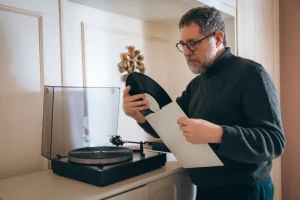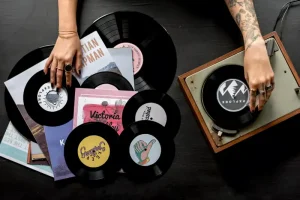
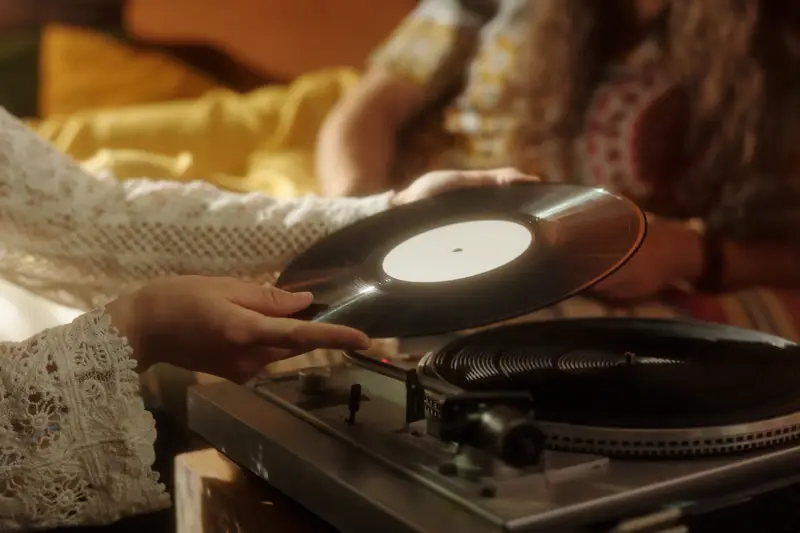
Imagine coming home after a long day, choosing an old favorite album, and placing a record on your turntable. The needle touches the surface, a gentle crackle fills the room, and the first notes begin to play. The music seems rich and personal, almost as if the musicians are performing nearby. Later, you play the same album through a digital streaming service. The sound is clear and convenient, but the experience feels different.
That difference is often described as the record LP warm sound. It comes from a combination of analog playback, mastering choices, cartridge characteristics, and the way listeners perceive music. Vinyl does not automatically reproduce music more accurately than digital audio. However, its particular sound and physical listening experience can make familiar recordings feel more natural and engaging.
Understanding why this happens means looking beyond the common idea that analog is always better. The real explanation involves sound waves, recording techniques, playback equipment, and the decisions made when an album is prepared for release.
What Does Warm Sound Mean in Vinyl Records?
Warm sound is a listening description rather than a precise technical measurement. People often use it to describe music that feels full, smooth, rich, and comfortable, especially in the middle and lower frequencies.
How Does Warmth Affect the Listening Experience?
Think about listening to a jazz recording with a double bass, piano, and saxophone. On one system, the instruments may sound bright and sharply separated. On another, the bass may feel fuller, the saxophone smoother, and the overall performance more blended.
Listeners may describe the second presentation as warm. This does not necessarily mean that the recording contains more musical information. It means that its tonal balance and playback characteristics create a particular impression.
The record LP warm sound is often associated with subtle harmonic distortion, gentle high-frequency changes, and differences in mastering. These characteristics can influence how listeners perceive instruments and vocals.
Warmth is also subjective. Someone who enjoys a detailed, bright presentation may prefer digital playback, while another listener may enjoy the softer character associated with a particular vinyl setup.
Is Warm Sound the Same as Better Sound Quality?
Not necessarily. Warmth describes a tonal character, while sound quality can involve accuracy, frequency response, distortion, noise, dynamic range, and stereo separation.
A well-produced digital recording can reproduce music with extremely low noise and distortion. A poorly pressed or damaged vinyl record may introduce unwanted crackling, distortion, and frequency limitations.
The important distinction is between preference and accuracy. Some listeners prefer the sound of vinyl because of its character, even when a digital version measures more accurately.
How Does Analog Technology Create the Vinyl Sound?
Vinyl records store sound information through physical grooves. During playback, a stylus follows these grooves and converts their movements into an electrical signal. That signal passes through the phono stage and amplifier before reaching the speakers.
How Do Record Grooves Store Music?
A record groove contains tiny variations that correspond to the recorded audio signal. In stereo records, the groove walls carry information for the left and right channels.
When the record spins, the stylus moves according to these variations. The cartridge converts that mechanical movement into an electrical signal that can be amplified.
This process gives vinyl its distinct physical playback method. Unlike digital files, which represent sound through numerical samples, records use a continuous physical groove to encode the audio waveform.
However, analog does not mean unlimited detail. Groove dimensions, record speed, pressing quality, stylus condition, and the limitations of the playback equipment all influence the result.
Why Does the Analog Signal Matter?
Analog playback introduces characteristics that can influence the sound. Cartridge design, stylus shape, tracking force, and phono-stage performance all affect how accurately the grooves are translated into audio.
Some cartridges produce a slightly different tonal balance from others. A particular model may sound smoother in the upper frequencies, while another may emphasize detail and transient response.
These differences help explain why two turntables can produce noticeably different results with the same record. The record LP warm sound is not created by the vinyl material alone. It emerges from the entire playback chain.
Why Do Vinyl Records Sometimes Sound Warmer Than Digital Streaming?
Vinyl and digital streaming can sound different because of their playback systems, mastering, and technical limitations. The difference is not simply that one format is analog and the other is digital.
How Does Harmonic Distortion Influence Warmth?
Every playback system introduces some degree of distortion. In vinyl systems, cartridge behavior and mechanical playback can produce harmonic distortion. Depending on its level and character, this may influence how listeners perceive vocals and instruments.
Low levels of certain harmonic components can make a sound seem fuller or smoother. However, distortion is not automatically pleasant. Excessive distortion can make music harsh, muddy, or difficult to understand.
For example, imagine playing a vintage soul record through a well-adjusted turntable and a suitable amplifier. The vocal may have a slightly rounded character that suits the recording. A different cartridge or phono stage could change that presentation.
This is one reason people associate vinyl with warmth. The effect depends on equipment quality, setup, and the specific recording.
Does Vinyl Reduce High-Frequency Harshness?
Some vinyl playback systems can produce a slightly different high-frequency response from digital systems. Stylus design, cartridge loading, alignment, and record condition all play a role.
A cartridge with a particular frequency response may make cymbals and vocal sibilants seem less prominent. Some listeners interpret this as a smoother or warmer presentation.
But vinyl is not inherently free from harshness. Poor tracking, a worn stylus, damaged grooves, or incorrect alignment can create unpleasant distortion, particularly during demanding passages.
Digital audio can also sound smooth when it is properly recorded and mastered. A carefully produced streaming version may have a more balanced presentation than a poorly prepared vinyl release.
How Does Mastering Change the Sound of Vinyl and Streaming?
Mastering is one of the most important reasons two versions of the same album may sound different. It involves preparing a final recording for distribution, taking into account the technical requirements of the chosen format.
Why Can the Same Album Sound Different on Vinyl?
A vinyl release may use a different master from its streaming counterpart. Engineers must consider groove spacing, playback time, bass content, stereo information, and the physical limits of the record.
For example, very strong low-frequency stereo information can create cutting and tracking difficulties. Engineers may adjust the bass or manage the stereo image to make the record playable.
Streaming masters may be prepared with different priorities. Some releases have more aggressive compression or limiting, which can reduce differences between quieter and louder musical passages.
This does not mean every vinyl master has greater dynamic range. Some vinyl releases are mastered loudly, while some digital editions preserve considerable musical dynamics.
When comparing the record LP warm sound with a streaming version, it is important to check whether both editions use the same mastering. Otherwise, the difference may come from production decisions rather than the formats themselves.
What Is Dynamic Range, and Why Does It Matter?
Dynamic range describes the difference between quieter and louder parts of a recording. Music with greater dynamic contrast can preserve the impact of a soft vocal followed by a powerful chorus.
Heavy compression reduces these differences. It can make a track sound consistently loud, but it may also reduce the sense of movement and openness.
Imagine listening to a rock album where the drums and guitar build gradually before the chorus. A master with preserved dynamics may make that transition feel more dramatic.
Some vinyl editions are appreciated because they use less aggressive mastering. However, this is a release-specific decision, not a guaranteed advantage of the format.
What Role Does Turntable Equipment Play in Vinyl Warmth?
A record’s sound depends heavily on the equipment used to play it. Even a high-quality pressing can sound disappointing when the turntable is poorly adjusted or connected to unsuitable electronics.
How Do Cartridges and Styli Affect Sound?
The cartridge converts stylus movement into an electrical signal. Moving-magnet and moving-coil cartridges use different designs, and each can have its own tonal characteristics.
Stylus shape also matters. Elliptical, microline, and other advanced profiles contact the groove differently. A suitable stylus can retrieve detailed information while reducing certain forms of tracking distortion.
Correct alignment is essential. If the cartridge is positioned incorrectly, it may not follow the groove accurately, particularly toward the inner sections of a record.
Tracking force and anti-skate settings also need attention. Following the cartridge manufacturer’s recommendations helps protect records and maintain consistent playback.
Why Does the Phono Preamp Matter?
A cartridge produces a relatively small electrical signal that needs amplification. A phono preamp also applies the standard RIAA equalization curve used during record production.
The quality and compatibility of this stage can affect noise, tonal balance, and overall clarity. A mismatched phono preamp may make music sound thin, dull, or overly bright.
For example, someone upgrading from a basic turntable may notice a greater improvement by choosing a better phono stage and cartridge than by replacing the speakers immediately.
A carefully matched setup can bring out the record LP warm sound without adding unnecessary distortion.
Why Do Vinyl Records Feel More Personal Than Streaming?
The appeal of vinyl goes beyond technical sound differences. Physical interaction, album artwork, listening habits, and the ritual of playing a record all contribute to the experience.
Does Handling a Record Change How We Listen?
Streaming makes it possible to move between songs instantly. A listener can skip tracks, shuffle playlists, or switch albums within seconds.
Vinyl encourages a different routine. You select a record, remove it from its sleeve, inspect the surface, place it on the platter, and lower the tonearm. The process asks for a little attention before the music begins.
Consider someone listening to a complete album on a quiet weekend afternoon. Instead of skipping between unrelated songs, they follow the original track order and notice how one song leads into another.
This focused experience can make music feel more meaningful. It does not change the physical recording, but it can change how the listener engages with it.
Why Do Album Artwork and Collecting Matter?
A record sleeve offers space for photographs, lyrics, credits, and artwork. Large-format packaging can make an album feel like a complete creative project rather than a collection of digital tracks.
Collectors may also enjoy finding original pressings, comparing editions, and learning about recording studios or musicians. These activities create a connection with music history.
The physical format can make listening feel intentional. For many people, the record LP warm sound is part of a wider experience involving artwork, ownership, and the pleasure of playing an album from beginning to end.
Can Digital Streaming Reproduce the Warmth of Vinyl?
Yes. Digital audio can reproduce a warm tonal character when the recording, mastering, and playback settings support it. The difference is that digital warmth does not depend on physical groove playback.
How Do Digital Audio Quality and Streaming Settings Matter?
Digital audio represents sound through samples taken at regular intervals. CD-quality audio uses a sample rate of 44.1 kHz and a bit depth of 16 bits. Higher-resolution formats can use greater sample rates and bit depths.
Modern streaming services offer different audio quality settings, depending on the subscription, platform, and device. Lossless streaming can preserve the digital audio data without the information loss associated with lossy compression.
However, higher resolution does not automatically make music warmer or more enjoyable. Mastering, speakers, headphones, and listening environment usually have a more noticeable influence on tonal character.
Can Equalization Make Streaming Sound Warmer?
Equalization allows listeners to adjust different frequency ranges. A small reduction in excessive upper-frequency energy or a gentle change to the low and midrange balance may create a warmer presentation.
Many music applications, amplifiers, and audio devices provide equalizer settings. These can help listeners adjust music to their preferences without needing a vinyl collection.
It is best to make small changes rather than dramatically boosting bass or reducing treble. Extreme adjustments can hide detail and make music sound unnatural.
A well-mastered digital recording played through quality equipment can sound full, smooth, and emotionally engaging. Vinyl is one way to enjoy a warm presentation, but it is not the only way.
How Can You Get the Best Sound From Your Vinyl Records?
Good records and suitable equipment are only part of the equation. Regular care and correct setup help preserve sound quality and prevent unnecessary wear.
How Should You Clean and Store Vinyl?
Dust and fingerprints can affect stylus tracking and increase unwanted noise. Use a suitable record brush before playback and a proper cleaning method when a record has more stubborn contamination.
Always hold records by their edges and label area. Store them vertically in protective sleeves, away from direct sunlight, excessive heat, and damp conditions.
Avoid stacking records horizontally for long periods because pressure can contribute to warping. A clean, dry storage location helps protect both the records and their sleeves.
When Should You Replace a Turntable Stylus?
A worn or damaged stylus can produce distortion and may damage records. Replacement intervals vary by stylus design, condition, usage, and maintenance.
Follow the manufacturer’s recommended service life and inspect the stylus when playback begins to sound distorted or inconsistent. Do not assume that cleaning alone will fix a worn stylus.
Proper cartridge alignment, correct tracking force, and a stable turntable surface also help maintain consistent playback. These simple habits can improve the listening experience and protect a collection over time.
Conclusion
The warm character associated with vinyl comes from several connected factors. Analog groove playback, cartridge behavior, subtle distortion, mastering decisions, and equipment setup can all influence the final sound. The listening ritual and physical nature of records add another layer to their appeal.
However, vinyl is not automatically more accurate or better than digital streaming. Both formats can deliver excellent sound when recordings are produced and played correctly. The record LP warm sound is best understood as a combination of technical characteristics and personal preference.
If you enjoy the physical experience of choosing an album, handling a record, and listening from beginning to end, vinyl offers something special. If convenience and consistent playback matter more, digital streaming remains an excellent option. You can enjoy both without needing to choose one format over the other.
Frequently Asked Questions
1. Why does vinyl sound warmer than Spotify?
Vinyl may sound warmer because of cartridge characteristics, analog playback, subtle distortion, and differences in mastering. Spotify can deliver excellent digital sound, but the specific master and playback equipment often explain more than the format itself.
2. Does vinyl actually sound better than digital music?
Not always. Digital audio can offer lower noise and distortion, while vinyl may produce a tonal character some listeners prefer. Sound quality depends on mastering, pressing condition, equipment, and personal taste rather than format alone.
3. What makes vinyl records sound richer and fuller?
A combination of cartridge response, playback characteristics, mastering, and audio equipment can create a fuller presentation. Some listeners also prefer the subtle harmonic distortion associated with certain analog systems, although excessive distortion reduces sound quality.
4. Can digital streaming sound as warm as vinyl?
Yes. A well-mastered digital recording played through quality speakers or headphones can sound smooth and warm. Equalization can also adjust tonal balance. The physical playback characteristics of vinyl are different, but warmth is not exclusive to analog audio.
5. Do expensive turntables make vinyl sound warmer?
A better turntable can improve tracking stability, reduce unwanted vibration, and support more accurate playback. However, price alone does not guarantee warmth. Cartridge compatibility, stylus condition, alignment, and phono preamp quality also influence the final sound.