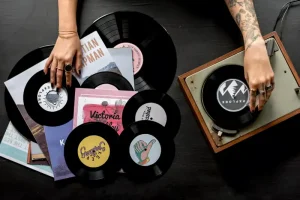
A vinyl record can look clean and still produce crackles, distortion, or unwanted background noise. The reason is simple: its sound information sits inside microscopic grooves, where dust, oils, scratches, and static can interfere with the stylus as it moves across the surface. Good record LP vinyl care protects those grooves and helps preserve the sound captured during mastering and pressing.
Vinyl playback is a mechanical process. The cartridge converts stylus movement into an electrical signal, so the condition of the record and the setup of the turntable both influence what you hear. A dusty record can create repeated clicks, while a worn or incorrectly aligned stylus can cause distortion and accelerate groove damage.
Care also protects the value of a collection. An original pressing in excellent condition may be more desirable than an identical copy with scratches, sleeve damage, or visible wear. Whether you collect classic albums, modern audiophile releases, or inexpensive second-hand records, consistent maintenance makes a noticeable difference.
Understanding LP Pressing Quality
Not every record sounds the same, even when two copies contain the same album. Pressing quality depends on several stages, including the source master, lacquer cutting, plating, vinyl formulation, pressing temperature, and quality control.
The Difference Between a Good and Poor Pressing
A well-produced LP should have consistent playback across both sides, stable pitch, reasonably quiet surfaces, and no obvious manufacturing defects. Some surface noise is normal, particularly on older records, but loud repetitive clicks, persistent crackling, and sudden changes in sound deserve attention.
Common pressing problems include non-fill, off-center holes, warps, scratches introduced during handling, and excessive surface noise. Non-fill occurs when vinyl does not completely fill parts of the stamper during pressing. It can create a rough, tearing sound that often remains audible even after cleaning.
An off-center pressing causes the pitch to fluctuate slightly as the record rotates. Listen to sustained piano notes, vocals, or synthesizer tones to identify this problem. A visibly uneven record may also produce changes in tone during playback.
Why Vinyl Weight Does Not Guarantee Better Sound
Heavyweight records, often marketed at 180 grams, can feel more substantial and may resist handling damage better than thinner discs. However, weight alone does not determine audio fidelity. A carefully mastered standard-weight pressing can outperform a poorly manufactured heavyweight edition.
The mastering source, cutting engineer, pressing plant, and quality control matter more than a number printed on the product description. When buying an expensive reissue, check whether the release uses an original master, a high-quality digital transfer, or a newly prepared remaster. Each can sound good, but they are not automatically equivalent.
Practical Record LP Vinyl Care for Everyday Listening
Good maintenance begins before the stylus touches the record. A few consistent habits prevent many common problems and reduce the need for intensive cleaning.
Handle Records by the Edges
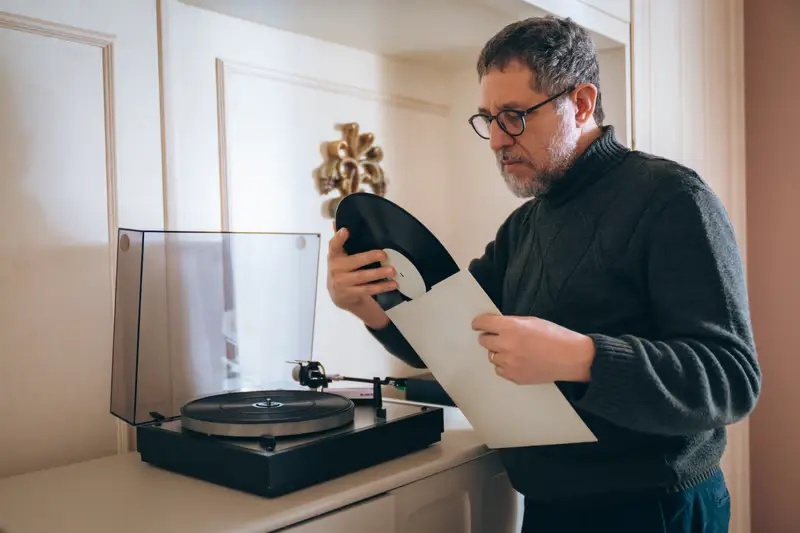
Always hold an LP by its outer edge and label area. Avoid touching the playing surface because fingerprints leave oils that attract dust and can become difficult to remove. Wash and dry your hands before handling records, especially when changing sides during a listening session.
Remove the disc from its sleeve carefully. Do not pull it out by dragging the grooves against the sleeve opening. Support the record with one hand while guiding the edge out with the other.
These small habits form the foundation of record LP vinyl care. They are especially important when handling collectible first pressings, where surface condition can influence resale value.
Clean Before Playback
Use a carbon-fiber record brush to remove loose dust before playing. Place the record on the platter, start rotation, and gently hold the brush across the grooves. Allow the brush to collect surface particles, then lift it away without pressing hard.
A dry brush is useful for routine dust removal, but it cannot remove oily contamination or deeply embedded dirt. For records that remain noisy, use a suitable vinyl record cleaning solution and a dedicated record-cleaning brush or machine.
Avoid household detergents, window cleaners, alcohol-based mixtures, and paper towels. These can leave residues, scratch the surface, or damage labels. Follow the cleaning product’s instructions and allow the record to dry fully before placing it in a sleeve.
Choose the Right Cleaning Method
For a small collection, a manual wet-cleaning system may be sufficient. Larger collections can benefit from vacuum-based or ultrasonic record-cleaning machines. These devices can remove contamination more effectively when used correctly, but they still require suitable fluids, clean handling, and proper drying.
Do not assume that every record needs aggressive cleaning. A lightly dusty LP may only need a carbon-fiber brush. Repeated wet cleaning without a clear reason can waste time and introduce handling risks.
Protecting Records Through Proper Storage
Storage conditions influence how well vinyl survives over time. Heat can soften records and contribute to warping, while pressure from poor shelving can gradually distort their shape.
Store LPs Upright
Keep records vertically on sturdy shelves. Do not stack them horizontally for long periods, particularly under heavy objects. A large collection can exert considerable pressure, so shelves should support the full weight without bending.
The Library of Congress recommends upright storage for grooved discs and a stable, relatively cool and dry environment. Its preservation guidance also advises keeping records away from direct light, heat sources, and vibration.
Avoid packing records so tightly that removing one requires force. They should stand upright with enough room for careful handling, but they should not lean at an angle. Use dividers to keep sections stable.
Use Protective Inner and Outer Sleeves
Paper sleeves can shed fibers and create static. Replacing worn inner sleeves with anti-static polyethylene sleeves helps reduce contact with loose particles. Keep original printed sleeves separately or use an appropriate protective sleeve if they are important to the album’s collectible value.
Outer plastic sleeves protect album covers from dust, shelf friction, and ring wear. They are particularly useful for valuable jackets, gatefold covers, and limited editions.
A practical record LP vinyl care routine includes checking sleeves whenever you buy used records. A clean disc placed inside a dusty or damaged sleeve can quickly collect contamination again.
Turntable Setup and Audio Fidelity
Even a spotless record can sound poor when the playback equipment is incorrectly adjusted. Cartridge alignment, tracking force, stylus condition, and turntable stability all influence sound quality and groove wear.
Check Tracking Force and Cartridge Alignment
Tracking force is the pressure the stylus applies to the record. Too little force can cause mistracking, while excessive force can increase wear. Use the tracking-force range specified by the cartridge manufacturer rather than guessing by feel.
A digital stylus scale helps measure the setting accurately. Cartridge alignment should also be checked with a suitable protractor. Incorrect alignment can produce distortion, particularly toward the inner grooves, where the recorded information is packed into a smaller circumference.
The Library of Congress preservation guidance emphasizes selecting an appropriate stylus and setting tracking force carefully to reduce groove wear while maintaining reliable signal capture.
Keep the Stylus Clean
A dirty stylus can collect fibers and debris during playback. Inspect it regularly under good lighting or magnification. Use a stylus brush designed for the purpose, moving gently in the direction recommended by the cartridge manufacturer.
Never use your finger, a household brush, or an improvised cleaning liquid. The cantilever and stylus assembly are delicate. If the stylus is bent, visibly damaged, or producing persistent distortion, stop playback and have it inspected or replaced.
Turntable maintenance is part of record LP vinyl care because a damaged stylus can affect every record in the collection, not just the one currently playing.
Reduce Vibration and Electrical Interference
Place the turntable on a stable, level surface. Speakers, loose furniture, and footfall vibration can create feedback or unwanted rumble. Keep cables organized and check the grounding connection if you hear a persistent hum.
A properly positioned turntable, clean stylus, and correctly adjusted cartridge often improve listening more than buying an expensive accessory without addressing basic setup problems.
Real-World Examples: Common Problems and Better Solutions
Consider a collector who buys a second-hand jazz LP from a market. The cover looks worn, but the disc appears visually clean. During playback, the opening track produces constant crackling. A carbon-fiber brush removes loose dust, but the noise remains. After careful wet cleaning and complete drying, playback improves significantly.
This example shows why visual inspection alone is not enough. Dirt inside grooves can remain difficult to see under ordinary room lighting. A suitable cleaning process may improve sound, although it cannot repair scratches or groove damage.
Another example involves a listener who notices that piano notes seem to waver on a recently purchased album. Cleaning makes no difference. A closer inspection reveals that the center hole is slightly off-center. The pitch variation is caused by the pressing itself, not the turntable or record cleanliness.
In this situation, further cleaning will not solve the problem. The sensible response is to compare another copy, request an exchange, or accept the manufacturing limitation if the pressing is otherwise desirable.
These cases illustrate an important point: effective record LP vinyl care involves identifying the actual cause of a problem rather than treating every playback issue as dirt.
Building a Consistent Vinyl Maintenance Routine
A useful maintenance routine does not need to be complicated. Brush records before playback, handle them carefully, return them to protective sleeves after listening, and inspect the stylus regularly. Clean records more thoroughly when contamination or persistent noise justifies it.
Check your shelving every few months. Look for leaning records, overloaded shelves, heat exposure, and signs of moisture. If a record has been stored in a cold environment, allow it to reach room temperature before playing it.
Keep a simple note of pressing defects, cleaning dates, and stylus replacement. This is particularly useful for collectors with large libraries because it helps identify recurring problems and prevents unnecessary cleaning.
For valuable or historically important records, avoid experimental treatments. The National Archives notes that the lifespan of grooved recordings depends on their composition, storage conditions, and handling. Well-maintained LPs can potentially last for generations, but no fixed lifespan can be guaranteed.
Conclusion
A vinyl collection deserves more than occasional dusting. Careful handling, suitable cleaning, upright storage, and accurate turntable setup all contribute to better playback and longer record life. Good record LP vinyl care also means understanding the difference between removable dirt and permanent pressing or groove defects.
The best results come from consistent habits rather than expensive accessories. Protect the grooves, maintain the stylus, store albums in stable conditions, and investigate playback problems before trying unnecessary treatments. These practices help preserve both the sound and the physical condition of every LP.
Frequently Asked Questions
1. How often should I clean my vinyl records?
Brush your LP before each playback to remove loose dust. Use a deeper wet-cleaning method when you notice fingerprints, oily marks, or persistent surface noise. Frequent unnecessary washing is not required. A consistent record LP vinyl care routine should focus on removing contamination without exposing the disc to avoidable handling.
2. Can I clean vinyl records with water?
Distilled water can be used in some vinyl cleaning methods, but plain tap water is not ideal because it may leave mineral deposits. Use a cleaning solution specifically designed for records and follow its instructions. Dry the disc completely before returning it to its sleeve.
3. Does a 180-gram LP sound better than a standard-weight record?
Not automatically. A heavier disc may feel more substantial, but audio quality depends mainly on mastering, cutting, pressing accuracy, and surface condition. A well-produced standard-weight LP can sound better than a poorly pressed heavyweight edition. Check reviews and pressing details rather than relying on weight alone.
4. Why does my vinyl record crackle even after cleaning?
Crackling can come from embedded dirt, static, scratches, groove wear, or pressing defects. Start with appropriate record LP vinyl care and inspect the stylus. If the noise repeats at exactly the same point after cleaning, permanent damage or a manufacturing flaw may be responsible.
5. What is the safest way to store vinyl records long-term?
Store records upright in a cool, dry, stable environment, away from direct sunlight and heat. Use protective inner sleeves and avoid overcrowding shelves. Handle discs by their edges and labels. These simple record LP vinyl care habits reduce warping, surface contamination, and unnecessary physical wear.